Cracow
8.44
Guide Plans
by Dominik Wadowski
Kraków: Discovering Royal Treasures and the Magic of Kazimierz
Welcome to Kraków!
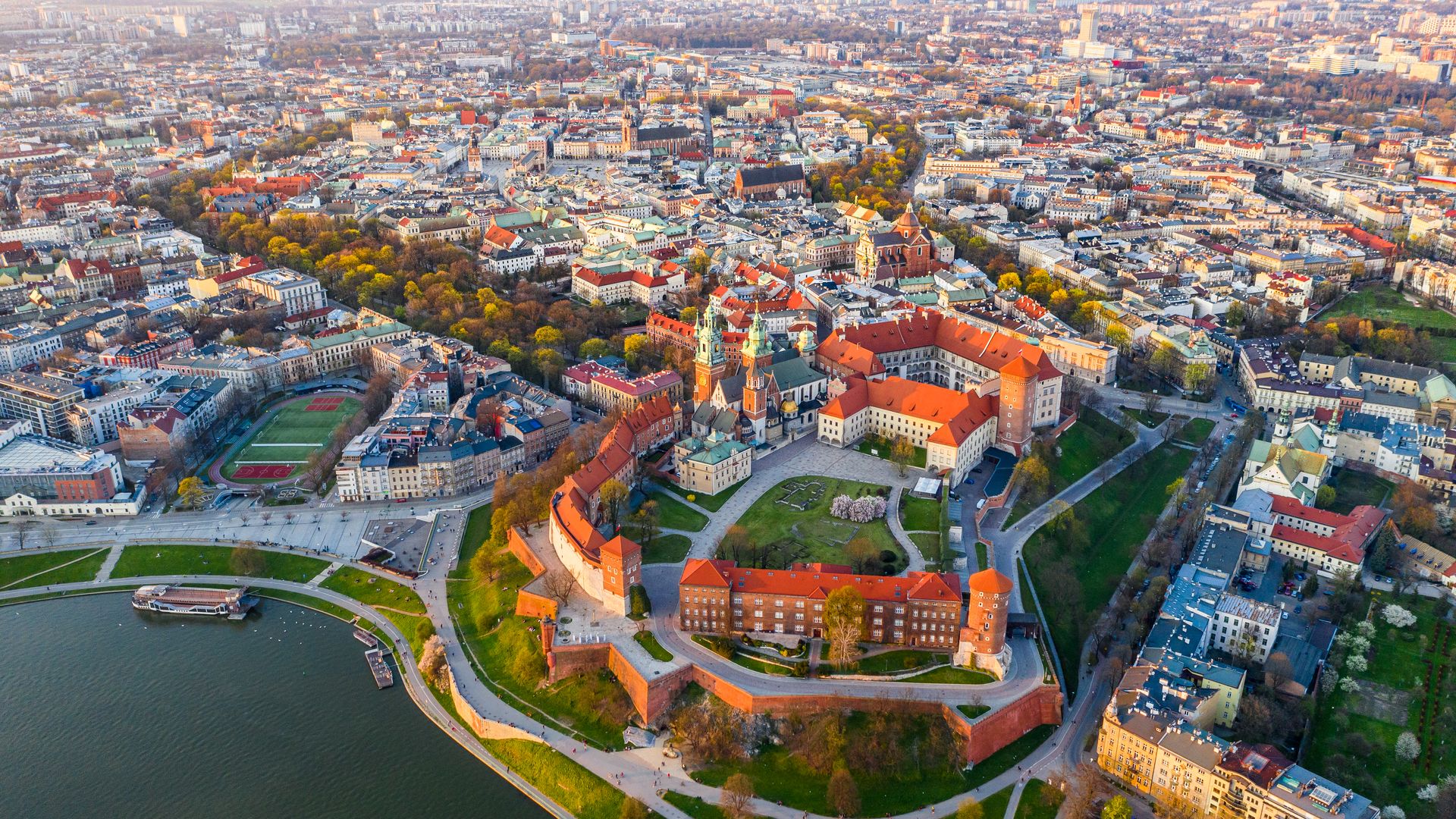
This guide is an invitation to quickly and intensely discover the most important places in Poland's historic capital. We focus on 10 Kraków icons that you must see to feel its unique atmosphere.
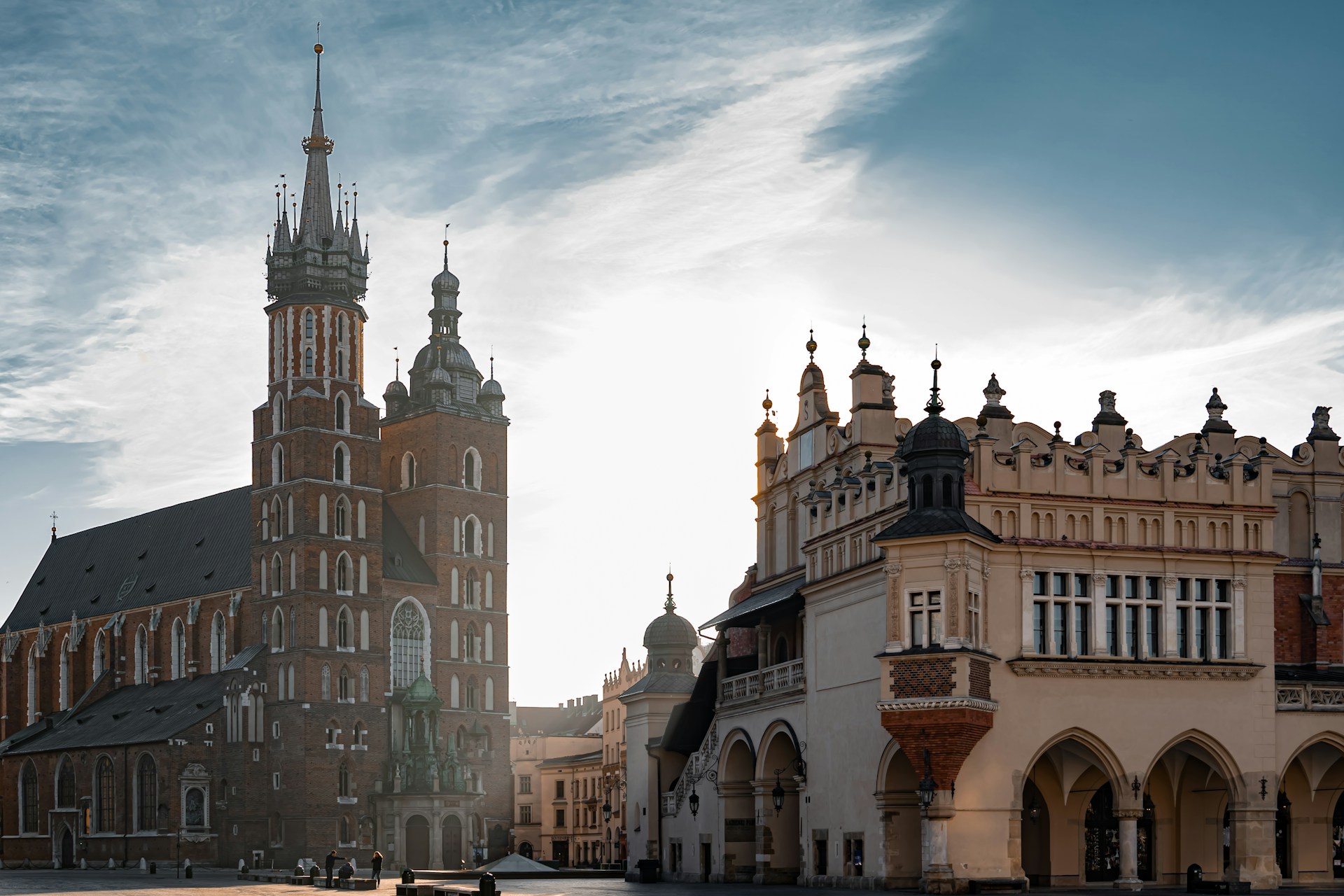
We'll start with the Royal Wawel Castle and the impressive Cathedral, then head to the Main Market Square—the heart of the city, where you'll see St. Mary's Basilica with its legendary altarpiece and the trading Cloth Hall (Sukiennice).
You'll also discover dark and fascinating histories: you'll visit atmospheric Kazimierz (the former Jewish Quarter) and the historically significant Oskar Schindler's Factory. We'll see the medieval walls near the St. Florian's Gate and pass through the gate of knowledge at Collegium Maius.
Finally, you'll relax by the Vistula river, meeting the Wawel Dragon, and admire the entire city from the viewpoint atop Kościuszko Mound. Prepare for an unforgettable experience!
9 places


Overview
Krakow, located in southern Poland on the Vistula River, is one of the country's oldest and most important cities, renowned for its rich architecture and history. As the former capital of Poland, the city played key political and cultural roles, with its most recognizable landmarks being Wawel Royal Castle and Wawel Cathedral, which symbolize Polish history. The Old Town, a UNESCO World Heritage Site, enchants visitors with its medieval urban layout and historic buildings such as St. Mary's Basilica with Wit Stwosz's altar and the Cloth Hall. Krakow is also a significant center for the arts, with institutions like the National Museum and the Krakow Opera enriching the city's cultural landscape.
Krakow is often referred to as the "spiritual and scientific heart of Poland," home to Jagiellonian University, which has been operating since 1364 and is one of the oldest universities in Europe. The city buzzes with festivals that blend local traditions with modern artistic phenomena, and its social life is significantly shaped by traditions such as szopka (nativity scene) making and religious pilgrimages. Historically, Krakow boasts a rich heritage dating back to the Piast dynasty, when it served as the seat of rulers, and it has endured turbulent periods such as the Mongol invasion and the partitions of Poland. During World War II, the city became the capital of the General Government, and its streets witnessed the dramatic events of the Holocaust and resistance against occupation.
Interestingly, since 2000, Krakow has held the title of European Capital of Culture, and in 2019, it was visited by over 14 million tourists, making it one of the most popular tourist destinations in Europe. The city hosts numerous cultural events, including film music, literary, and jazz festivals, attracting artists from around the world. Additionally, Krakow is developing as a hub for innovative technologies, making it an attractive location for investment. Thanks to its blend of historical heritage, rich cultural traditions, and modern achievements, Krakow remains one of Poland's most important cities, harmoniously connecting the past with the future.
Location
Tickets
Powered by GetYourGuide
You can also find here:
Main Square in Krakow
8.59
District I Old Town, Cracow

Archbasilica Cathedral of Saints Stanislaus and Wenceslaus in Krakow
8.5
District I Old Town, Cracow

Wawel Royal Castle
8.42
District I Old Town, Cracow
Old Town in Krakow
8.38
District I Old Town, Cracow

Archpresbyterian Church of the Assumption of the Blessed Virgin Mary in Kraków
8.37
District I Old Town, Cracow

Old Synagogue in Krakow
8.33
District I Old Town, Cracow
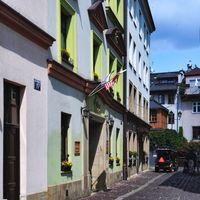
Casimir
8.28
District I Old Town, Cracow

National Museum in Krakow
8.22
District V Krowodrza, Cracow

Museum of Contemporary Art in Krakow MOCAK
8.22
District XIII Podgórze, Cracow

Białoprądnicki Manor Cultural Center
8.16
District IV Prądnik Biały, Cracow
2026 Wizytor | All Rights Reserved
